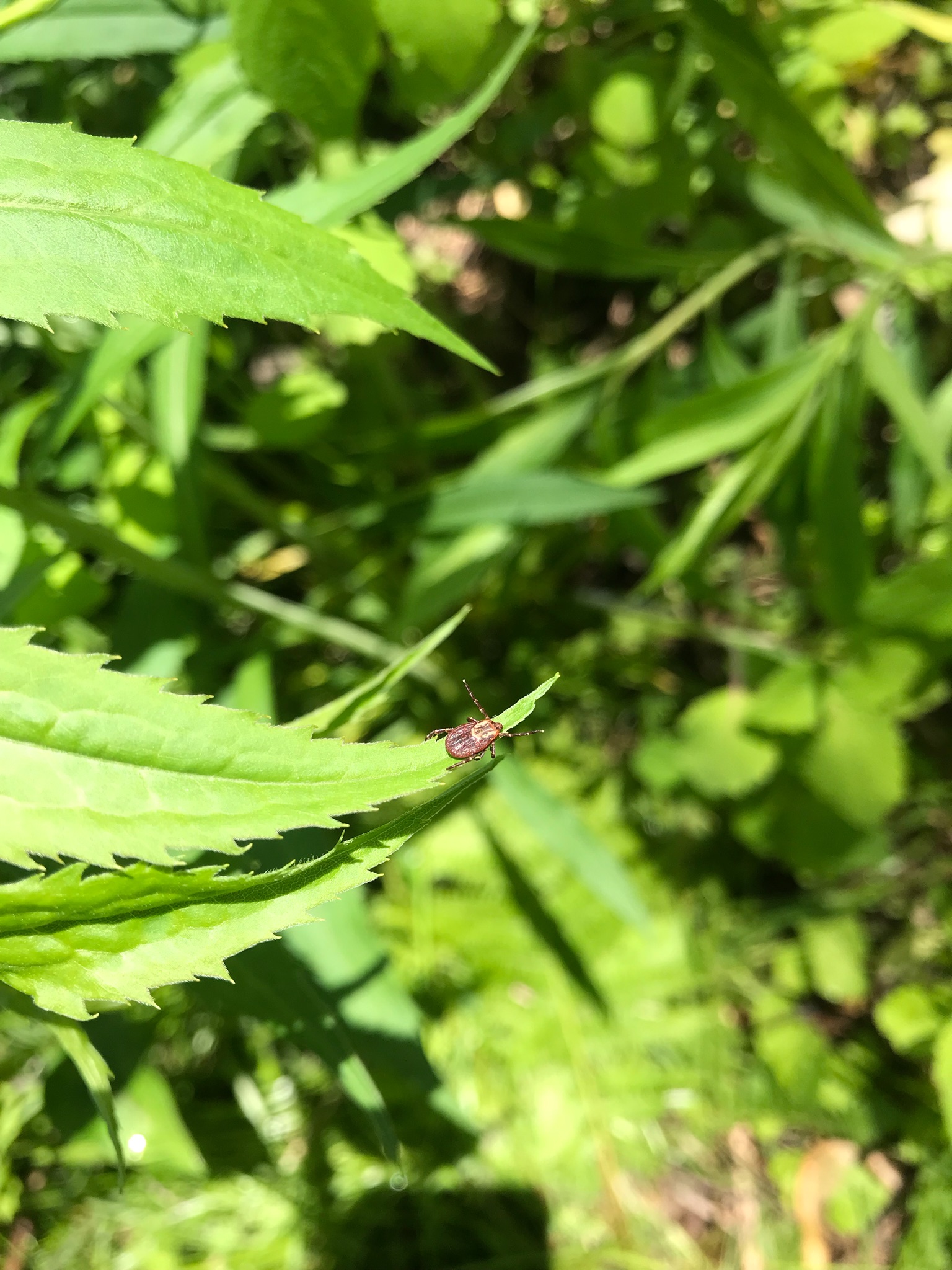

Ticks are a common parasite found in woods, grasslands, and even backyards, so it is likely that they cross paths with birds. However, not all birds indulge in the free meal. Some birds, such as chickens, quail, and ducks, will happily snack on them, while others completely ignore them. Even birds like the Oxpecker specifically seek out ticks as a food source. So why the difference? A birds’ diet, feeding behaviors, anatomy, and habitat can all influence whether or not they feed on ticks.
Feeding Behaviors and Habitat

Birds can broken up into two main foraging groups:
Ground foragers, such as ducks, chickens, quail, guinea fowls, and turkeys prefer to search for food in dirt, ground and leaf litter where ticks are typically found.
Canopy foragers and aerial feeders spend more time in trees and catching insects midair, reducing their interactions with ticks.
Specialized Relationships: The Oxpecker

Oxpeckers, also known as “tickbirds”, live in sub-Saharan Africa and feed directly on parasites attached to large mammals, such as rhinos, zebras, and giraffes. They perch directly onto these animals and pick off ticks and other parasites that are attached. These ticks are usually engorged, potentially providing extra nutrients and making them an especially valuable food source.
Beak Shape and Diet Adaptations

The shape of a birds’ beak is a crucial factor in determining their diet.
Narrow and pointed
Perfect for grabbing insects from tree bark or leaves, similar to tweezers. This is also helpful when pulling worms from the ground.
Short and thick
Allows birds to crack open the shell of seeds and access the flesh inside.
Elongated
Most commonly found on hummingbirds, it acts as a straw when consuming nectar from flowers.
Hooked/Spear-like
Used to spear fish and tear flesh.
Nutritional Value
Animals tend to choose food sources that provide the greatest energy intake for the least amount of effort. For larger birds, consuming ticks may not provide enough energy to justify the effort. For example, birds like hawks or eagles would gain more energy from consuming small mammals, fish, or larger insects rather than ticks.
The Limits of Tick-Eating Birds
While some birds do feed on ticks, they cannot efficiently reduce the population of ticks in an area. Birds can also act as hosts for ticks, putting them at risk for tick-borne illnesses. Ticks make up a small portion of most birds’ diets, and are only consumed occasionally. Still, the relationship between birds and ticks offers an interesting example of how animals adapt to their environments and how their feeding behaviors can shape interactions in the environment.
References:
- EBSCO Research Starters. (n.d.). Oxpecker. https://www.ebsco.com/research-starters/zoology/oxpecker
- Lyric Bird Food. (n.d.). What beak shape reveals about a bird’s diet. https://www.lyricbirdfood.com/birding-hub/basics/what-beak-shape-reveals-about-a-birds-diet/
- Terminix. (n.d.). What eats ticks? https://www.terminix.com/ticks/what-eats-ticks/
- Discover Wildlife. (n.d.). Deadliest bird beaks. https://www.discoverwildlife.com/animal-facts/birds/deadliest-bird-beaks
- Birds & Blooms. (n.d.). Hummingbird tongues and beaks. https://www.birdsandblooms.com/birding/attracting-hummingbirds/hummingbird-tongues-beaks/
- ScienceDirect. (n.d.). Optimal foraging. https://www.sciencedirect.com/topics/medicine-and-dentistry/optimal-foraging